Choose, Honor, Celebrate Culture
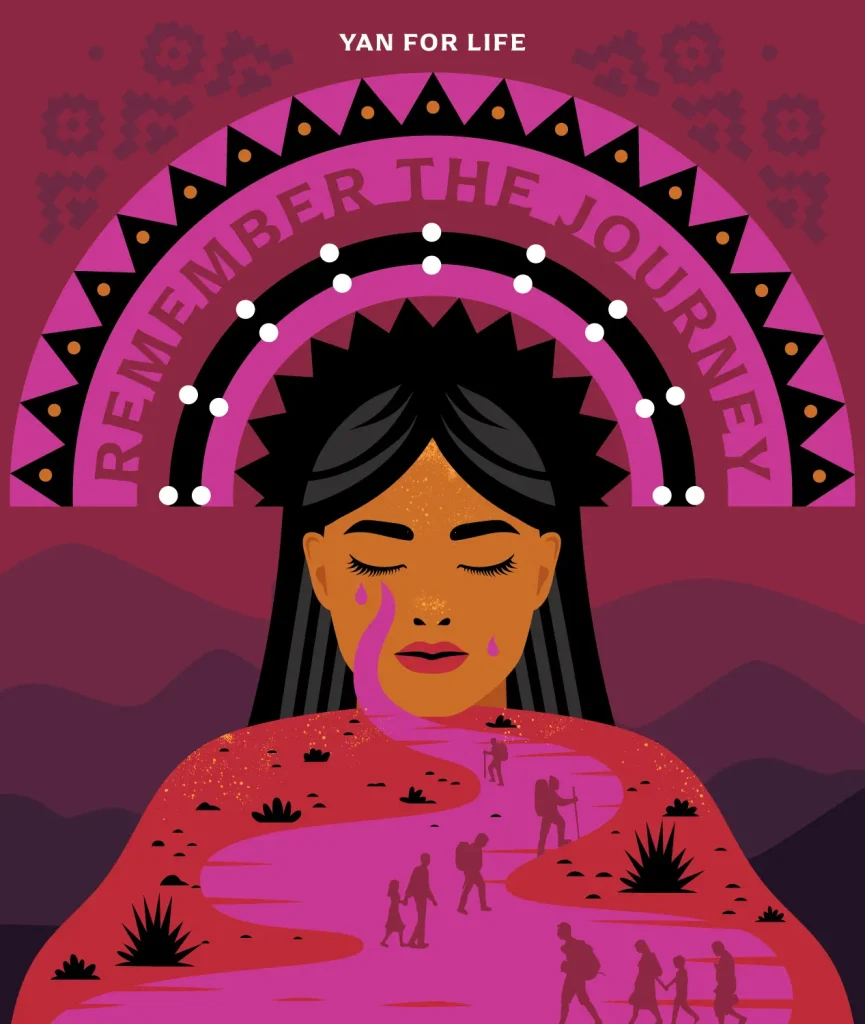
RememberTheir Journey
After years of warfare between our People and non-Indian miners and settlers, the United States established the Camp Verde Reservation (also known as the Rio Verde Reserve) on October 3, 1871. The 1871 Reservation was 900 square miles along the Verde River— only 6% of the more than 16,000 square miles that our People originally lived on.
As a result of increasing pressure from federal contractors and others, a Presidential Order rescinded Camp Verde Reservation in February 1875. On February 27, 1875, our People were forcibly marched 180 miles through mountains and across several streams to the San Carlos Apache Reservation. Over 100 of our ancestors died during the journey.
By 1890, our People began walking back to the Verde Valley. However, in our absence, most of the land had been claimed and settled, including the land within the boundaries of the old 1871 Reservation and the old Camp Verde Military Reserve. In November 1909, the United States purchased 18.35 acre for the Nation. Our People acquired more land over the years since then, and our current Reservation consists of 1,810 acres.
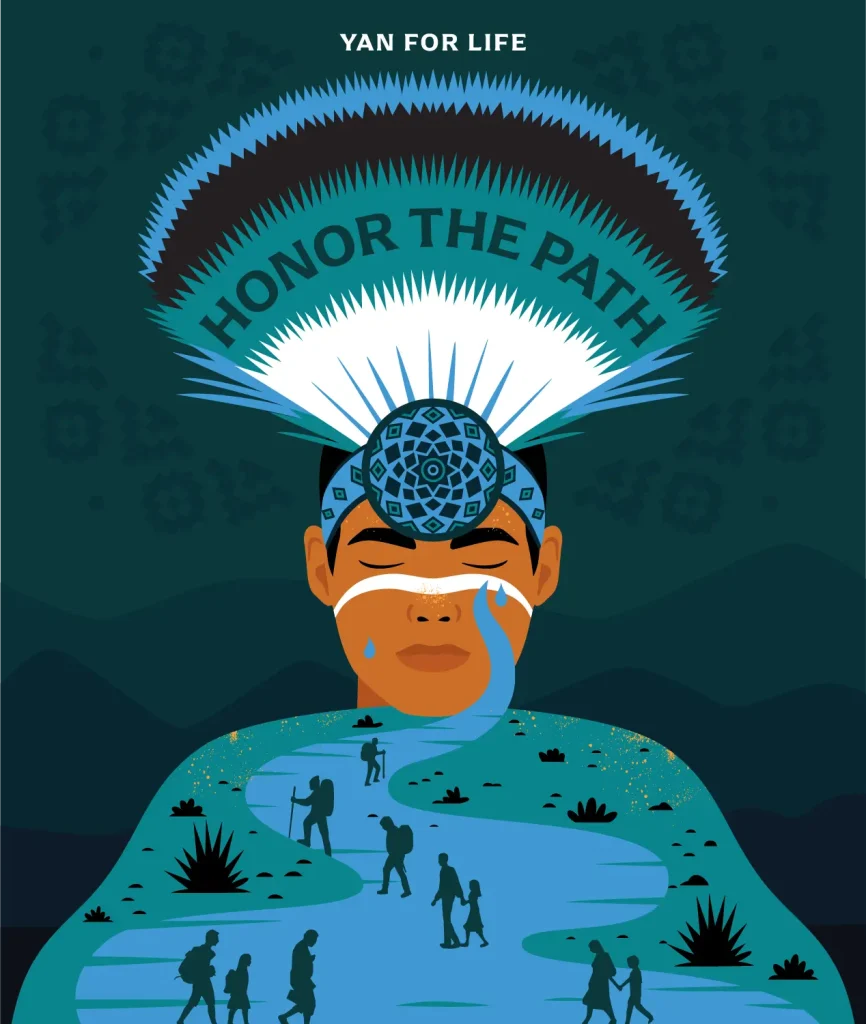
HonorThe Path
The strength, resilience, and sacrifices of our ancestors has allowed our Nation to get where we are today. However, substance use disorder (SUD) harms our community members and hinders our healing as a Nation.
Our traditions, culture, and shared history hold the power to protect us and the next generation. Through tradition, identity, and community, we can choose to live lives free from the influence of drugs and alcohol. By preventing and recovering from substance use, we strengthen and unite our community while honoring our ancestors’ resilience and strength.
By TheNumbers
people in the U.S. died from an overdose in 2024.
Source: cdc.gov
of 2024 overdose deaths in the U.S. involved fentanyl—that's 34,748 deaths.
Source: cdc.gov
Native Americans in the U.S. died from an overdose in 2024.
Source: cdc.gov
people in Arizona died from an overdose in 2024.
Source: cdc.gov
of 2024 overdose deaths in Arizona involved fentanyl—that's 1,551 deaths.
Source: cdc.gov
Native Americans in Arizona died from an overdose in 2024.
Source: cdc.gov
of Native American adults had alcohol use disorder (AUD) in 2024.
Source: niaaa.nih.gov
of 2021 traffic deaths involving an alcohol-impaired driver were Native American.
Source: transportation.gov
of Native American high school students drank alcohol in 2023.
Source: cdc.gov
of Native American adults regularly smoked cigarettes in 2024.
Source: cdc.gov
of Native American high school students used cigarettes in 2023.
Source: cdc.gov
of Native American high school students used vaping products in 2023.
Source: cdc.gov
FAQ
Who can I contact in an emergency?
For medical emergencies, such as an overdose, call 911 immediately. The National Suicide Prevention Lifeline at 800.273.8255 is also available if needed.
Where can I find local treatment and recovery options?
The Yavapai-Apache Nation Medical Center in Camp Verde provides healthcare services that include primary medical care, behavioral health, dental, vision, and support services. All services provided through the Medical Center are by appointment only.
The Yavapai-Apache Nation ASA Program offers ongoing Wellbriety Recovery Support Meetings rooted in culture, connection, and healing. These weekly meetings over a variety of in-person and virtual options, as well as monthly Sweat Lodge opportunities for men and women on separate days.
The Phoenix Area Indian Health Service (PAIHS) provides health care and community health services to Natives in Arizona, Nevada, Utah, and parts of California. The Phoenix Indian Medical Center is their largest healthcare facility and is located near downtown Phoenix. They offer multiple clinical and non-clinical services, including treatment for substance abuse disorders through their Behavioral Health Clinic.
Where can I find other treatment and recovery options?
The most comprehensive collection of recovery resources is through FindTreatment.gov.